Embrace the Charm of Eachtar: A Handwritten Display Font for Modern Design
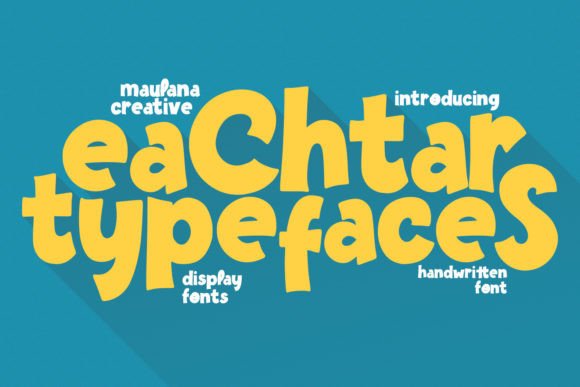
In a world where digital design is constantly evolving, finding a unique and expressive font can make all the difference in capturing attention and conveying personality. Enter Eachtar, a fun and friendly handwritten display font that has quickly gained popularity among designers, marketers, and creatives. With its effortlessly elegant style, Eachtar offers a fresh and approachable alternative to more rigid or traditional typefaces. Whether you're working on branding, social media content, or print materials, Eachtar brings a sense of warmth and individuality that resonates with today's audiences.
What is Eachtar and Why It Stands Out
Eachtar is more than just a font—it's a design statement. Created with a focus on readability and visual appeal, it combines the organic feel of handwriting with the clarity needed for professional use. Its versatility makes it ideal for a wide range of applications, from logos and headlines to packaging and advertising. Unlike many other handwritten fonts that can be difficult to read at smaller sizes, Eachtar maintains legibility without sacrificing its distinctive character.
One of the key features that sets Eachtar apart is its ability to blend seamlessly into both modern and classic design aesthetics. Its soft curves and slightly irregular strokes give it a human touch, making it perfect for brands that want to appear more relatable and authentic. This is especially relevant in today’s market, where consumers are increasingly drawn to brands that feel genuine and personal.
Eachtar in the Context of Current Design Trends
The rise of Eachtar reflects broader shifts in the design industry, where authenticity and individuality are becoming more valued. In an age dominated by sleek, minimalist aesthetics, there’s a growing desire for fonts that bring a sense of warmth and creativity. This trend is evident in the increasing use of handwritten and custom typefaces across various platforms, from social media to e-commerce.
Moreover, as businesses strive to differentiate themselves in crowded markets, the need for unique visual identities has never been greater. Eachtar provides a tool for creating standout designs that reflect a brand’s personality. For example, a boutique coffee shop might use Eachtar for its logo to evoke a sense of craftsmanship and care, while a tech startup could incorporate it into its website to add a touch of approachability.
Why People Are Paying Attention to Eachtar
There are several reasons why Eachtar is gaining traction among professionals and enthusiasts alike. One of the main factors is its ease of use. Unlike some complex or ornate fonts, Eachtar is straightforward to implement and works well across different mediums. Its clean lines and consistent spacing ensure that it looks great in both digital and print formats, making it a practical choice for a variety of projects.
Another reason for its popularity is its adaptability. Whether you're designing for a high-end fashion brand or a local business, Eachtar can be tailored to fit the desired tone and message. Its friendly appearance makes it particularly effective for campaigns targeting younger demographics or those looking to build a more personal connection with their audience.
Additionally, Eachtar aligns with the growing demand for customizable and flexible design tools. As more creators seek ways to express their unique vision, fonts like Eachtar offer a way to stand out without compromising on quality or usability. This is especially important in industries such as marketing, where first impressions can significantly impact consumer behavior.
How Eachtar Meets Changing Needs and Preferences
The design landscape is constantly shifting, and with it, the expectations of users and clients. Today’s audiences are more discerning and value experiences that feel authentic and meaningful. This shift has led to a greater emphasis on typography that conveys emotion and character, which is exactly what Eachtar delivers.
For instance, in the realm of digital marketing, where attention spans are short and competition is fierce, using a font like Eachtar can help a brand cut through the noise. Its friendly and approachable style makes it ideal for call-to-action buttons, social media posts, and email newsletters, where the goal is to engage and convert.
Furthermore, as remote work and digital collaboration become the norm, the need for versatile and user-friendly design elements has increased. Eachtar fits this need by offering a font that is not only visually appealing but also easy to work with across different platforms and devices. This ensures that designs remain consistent and impactful, regardless of where they’re viewed.
Practical Applications of Eachtar in Real-World Scenarios
Let’s explore how Eachtar can be applied in real-world situations to enhance visual communication. One common use is in branding and identity design. A small business owner looking to create a memorable logo might choose Eachtar to give their brand a distinct and recognizable look. The font’s natural flow and subtle variations can help convey a sense of creativity and innovation.
Another practical application is in content creation, particularly for bloggers, influencers, and content marketers. Using Eachtar in headings or captions can add a personal touch to written content, making it more engaging and relatable. This is especially effective in niches such as lifestyle, wellness, and education, where a warm and inviting tone is essential.
For print materials, Eachtar can elevate the overall aesthetic of brochures, flyers, and packaging. Its handwritten style adds a tactile quality that can make printed pieces more appealing and memorable. This is particularly useful for event promotions, product launches, and local business marketing efforts.
Connecting Eachtar to Larger Developments in the Industry
The success of Eachtar is part of a larger movement in the design industry toward more personalized and human-centric approaches. As technology continues to advance, there’s a growing recognition of the importance of emotional connection in design. Fonts like Eachtar play a crucial role in this shift by adding a layer of personality and authenticity to visual communication.
This trend is also influenced by the rise of AI and automation in design. While these tools can streamline the creative process, they often lack the nuance and warmth that human-designed elements bring. By using a font like Eachtar, designers can introduce a level of individuality that complements the efficiency of digital tools.
In conclusion, Eachtar is more than just a font—it’s a powerful tool for creating visually compelling and emotionally resonant designs. Its unique blend of charm, versatility, and readability makes it an excellent choice for professionals across various industries. As the design world continues to evolve, fonts like Eachtar will play an essential role in shaping the future of visual communication.