Exploring the Happy Retro Font
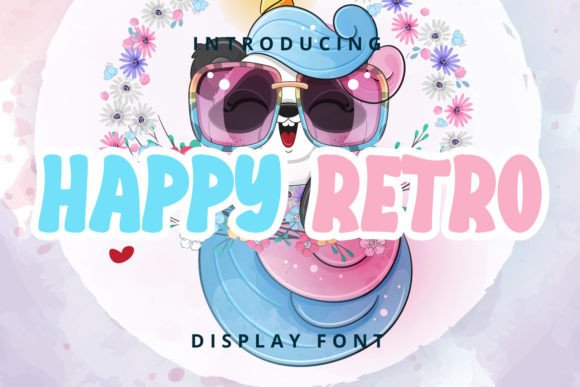
The Happy Retro font is a display typeface that blends a playful, retro aesthetic with modern design sensibilities. Its unique character makes it ideal for projects that require a nostalgic yet contemporary feel. Whether you're designing a greeting card, a headline, or a branding element, Happy Retro offers a distinctive visual identity that can elevate your work.
What Makes Happy Retro Stand Out
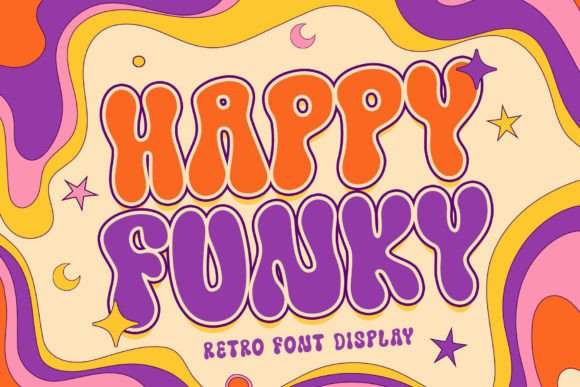
Happy Retro is characterized by its rounded shapes, soft curves, and vintage-inspired details. These features give it a friendly and approachable look, making it particularly well-suited for creative and informal contexts. The font's design elements often evoke a sense of nostalgia, which can be powerful in connecting with audiences who appreciate retro styles.
One of the key strengths of Happy Retro is its versatility. It works well in both digital and print formats, allowing designers to use it across various media. Its readability at larger sizes also makes it a strong choice for headlines and titles where visual impact is important.
When to Consider Using Happy Retro
Happy Retro is an excellent choice for projects that aim to convey a fun, lighthearted, or whimsical tone. For instance, it can be used in marketing materials for children's products, themed events, or creative businesses looking to stand out. Its playful nature can help create a memorable brand image that resonates with specific target audiences.
Additionally, the font's retro style can complement other design elements that have a vintage theme. This makes it a valuable tool for designers working on projects with a historical or nostalgic angle. When paired with appropriate colors and layouts, Happy Retro can enhance the overall visual harmony of a design.
Situations Where Alternatives May Be Better
While Happy Retro has many advantages, it may not be the best fit for every project. In professional or formal settings, a more traditional or minimalist font might be more appropriate. For example, in business reports, legal documents, or corporate branding, the playful nature of Happy Retro could be seen as unprofessional or distracting.
Moreover, if the goal is to create a clean, modern look, alternatives with simpler forms and fewer decorative elements might be more effective. Fonts like Helvetica, Arial, or Roboto are often preferred in such cases due to their clarity and neutrality.
Key Considerations When Choosing a Font
When evaluating fonts like Happy Retro, it's important to consider the context in which they will be used. Ask yourself: What message do I want to convey? Who is my audience? What visual style aligns with my project's goals?
Another factor to consider is the font's legibility. While Happy Retro is readable at larger sizes, it may not be suitable for body text or long passages of content. Designers should test the font in different sizes and formats to ensure it meets their needs.
Additionally, licensing and availability are crucial. Ensure that the font is available for the intended use and that the license terms allow for the scope of your project. Some fonts may have restrictions on commercial use or require additional fees for extended licenses.
Practical Insights for Decision-Making
For designers and developers, the decision to use Happy Retro should be based on a clear understanding of the project's requirements and the desired outcome. Start by identifying the tone and style that best suit your work. If a playful or retro vibe is essential, Happy Retro could be a great option.
It's also helpful to compare Happy Retro with other similar fonts. Explore how it stacks up against alternatives in terms of design, usability, and suitability for different applications. This comparison can provide valuable insights and help make an informed choice.
Finally, don't hesitate to experiment. Try using Happy Retro in different designs and see how it performs. Testing the font in real-world scenarios can reveal its strengths and limitations, helping you determine whether it's the right fit for your needs.
Conclusion
Happy Retro is a versatile and visually appealing font that can add a unique touch to a wide range of design projects. Its playful and retro characteristics make it ideal for creative and informal contexts, but it may not be suitable for all situations. By considering factors such as context, legibility, and licensing, designers can make informed decisions about whether Happy Retro aligns with their goals and needs.