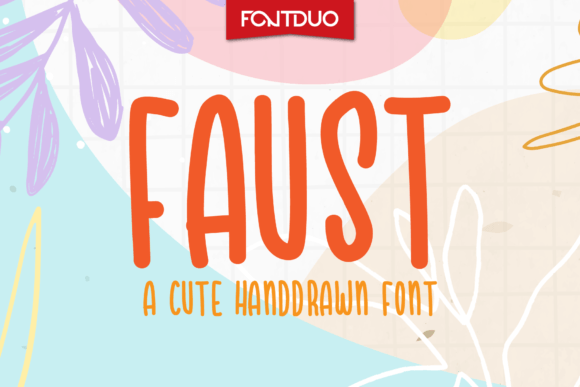
Faust: A Handwritten Font with Personality
When it comes to adding a personal touch to your designs, Faust stands out as a versatile and expressive handwritten display font. Its friendly and approachable style makes it ideal for a wide range of creative projects, from digital graphics to print materials. Whether you're working on a logo, a social media post, or a handmade card, Faust brings a warm, authentic feel that can elevate your work.
Designed with a natural, slightly irregular stroke, Faust mimics the look of real handwriting, giving it an organic and human quality. This characteristic makes it perfect for projects that aim to convey a sense of intimacy, creativity, or individuality. Unlike more rigid typefaces, Faust feels like it was written by hand, which adds a unique visual appeal that can make your design stand out.
Where Faust Shines in Design Projects
Faust is particularly effective in applications where a personal or artistic flair is desired. For instance, in logo design, it can add a distinctive personality to brand identities that want to feel more approachable and less corporate. In editorial design, such as magazine layouts or book covers, it can provide a stylish contrast to more traditional typefaces.
In packaging design, Faust can be used to create labels or product names that feel more handmade or artisanal. It also works well in social media graphics, where a custom, eye-catching font can help your content stand out in a crowded feed. For web design, using Faust in headings or callout text can add a visually engaging element that complements more structured layouts.
For greeting cards or handmade crafts, Faust’s casual, friendly appearance makes it a great choice. It can bring a sense of warmth and charm to invitations, thank-you notes, or promotional flyers. Its versatility means it can be used in both formal and informal contexts, depending on how it's styled and paired.
How Faust Influences Branding and Visual Hierarchy
The right font can have a significant impact on how a brand is perceived. Faust, with its handwritten aesthetic, can contribute to a brand feeling more authentic, creative, or personal. This is especially valuable for small businesses, startups, or independent creators who want to build a unique identity that resonates with their audience.
In terms of visual hierarchy, Faust works best when used strategically. Because it’s a display font, it’s not meant for large blocks of text but rather for headlines, subheadings, or key messages. When paired with a more neutral typeface, such as a sans serif or serif font, it can create a balanced and professional look that draws attention without overwhelming the reader.
Brand consistency is another important factor. Using Faust across different design assets—such as business cards, websites, or social media profiles—can help reinforce brand recognition. However, it’s essential to maintain a cohesive style by limiting the number of fonts used and ensuring they complement each other.
Choosing and Using Faust Effectively
If you're considering using Faust in your next project, start by evaluating how it fits with your overall design concept. Ask yourself: Does this font align with the tone and message of the project? Will it enhance or distract from the content?
Testing different font pairings is a good way to see how Faust interacts with other typefaces. For example, pairing it with a clean, modern sans serif can create a contrast that feels fresh and contemporary. Alternatively, combining it with a classic serif font might give a more traditional yet personalized look.
It’s also important to consider readability. While Faust is visually appealing, it may not be the best choice for body text due to its irregular shape and spacing. Instead, use it for short phrases, titles, or decorative elements where its character can shine without compromising legibility.
Before finalizing your design, review the commercial licensing terms associated with Faust. Make sure you have the proper rights to use it in your intended projects, especially if you're creating something for clients or commercial purposes. Many premium fonts come with specific usage guidelines that should be followed to avoid legal issues.
Real-World Applications and Recommendations
For bloggers or content creators, using Faust in headers or section titles can add a personal and creative touch to their website or social media posts. It can also be useful in marketing materials such as email newsletters or promotional banners, where a custom font can help differentiate your brand from competitors.
Entrepreneurs and small business owners might find Faust helpful in creating logos, packaging, or signage that feels more approachable and human. For publishers or designers, it can be a great addition to design assets that require a unique, handcrafted look.
Ultimately, Faust is a font that offers both style and substance. Whether you're working on a personal project or a professional design, it has the potential to add a touch of warmth and character that can make your work more memorable. By understanding its strengths and limitations, you can use it effectively to enhance your creative output and connect more deeply with your audience.