Hypegoals: Bold, Textured Typography for Impact
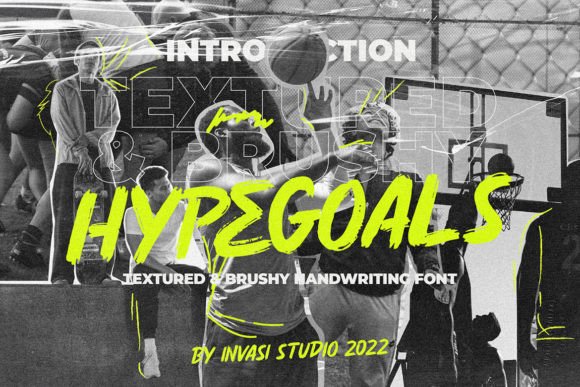
When it comes to making a statement with text, the right font can transform a simple headline into a powerful visual element. Hypegoals is a textured, handwritten brush display font that features aggressive strokes and a dynamic feel. It’s designed to grab attention and add energy to any project that needs a strong visual presence.
What Is Hypegoals?
Hypegoals is more than just a font—it's a design tool that brings personality and movement to typography. Its handcrafted look gives it an authentic, almost rebellious edge, making it ideal for projects that need a sense of urgency or excitement. The texture and weight of each stroke create a tactile quality that feels alive on the page, whether in print or digital formats.
This typeface works best as a display font, meaning it's most effective when used for headlines, titles, and other prominent text elements. It’s not meant for long paragraphs but rather for moments where impact matters most.
Why Different Audiences Care About Hypegoals
The appeal of Hypegoals varies depending on who is using it and what they're trying to achieve. For some, it's about creativity; for others, it's about practicality or branding. Understanding how different groups might approach this font can help you decide if it fits your needs.
For Beginners: A Tool for Creative Expression
If you're just starting out with design, Hypegoals can be a great way to experiment with bold, expressive typography. Its unique style allows you to break away from standard fonts and explore a more artistic approach. However, beginners may need to learn how to balance its intensity with other design elements to avoid overwhelming the viewer.
For example, a student creating a poster for a school event could use Hypegoals for the title, pairing it with simpler fonts for body text to maintain readability.
For Professionals: A Signature Style for Branding
Designers, marketers, and brand managers often look for fonts that stand out and reinforce a brand’s identity. Hypegoals offers a distinctive look that can become a signature element in a brand’s visual language. Its aggressive strokes convey confidence and energy, which can be useful for products targeting younger, more adventurous audiences.
A professional might use Hypegoals for a music album cover, a sports team logo, or a campaign slogan. The key is to ensure it aligns with the overall tone and message of the project.
For Educators: Teaching Visual Communication
Educators in design or communication courses may use Hypegoals as a teaching tool to illustrate the impact of typography. It provides a clear example of how font choice can influence perception and emotion. Students can analyze its structure, texture, and visual weight to understand how different typographic styles serve various purposes.
In a classroom setting, Hypegoals could be part of a lesson on display fonts, helping students grasp the difference between decorative and functional typography.
For Business Owners: Building Recognition and Impact
Small business owners looking to make their brand stand out may find Hypegoals useful for logos, product packaging, or promotional materials. Its bold, textured look can help a business appear more energetic and innovative, especially in industries like fashion, entertainment, or tech.
However, business owners should consider the context in which the font will be used. While it’s eye-catching, it may not be suitable for all types of businesses. A law firm, for instance, might prefer a more traditional font, while a fitness brand could benefit from Hypegoals’ aggressive aesthetic.
For Consumers: Recognizing Quality in Design
Consumers may not think much about typography, but they are often drawn to designs that feel visually compelling. Hypegoals can be found in advertisements, social media posts, and product labels, where it helps capture attention and convey a specific mood.
For example, a consumer browsing a store might notice a product package with a bold, stylized headline using Hypegoals. The font contributes to the overall impression of the product, influencing their decision to engage further.
Practical Use Cases for Hypegoals
Whether you're working on a personal project or a professional one, Hypegoals can be applied in several ways:
- Headlines and Titles: Use it for blog posts, magazine covers, or website banners to create a strong visual anchor.
- Flyers and Posters: Ideal for events, promotions, or announcements where boldness is key.
- Greeting Cards and Invitations: Adds a creative touch to special occasions or formal events.
- Logotypes and Branding: Can serve as a primary or secondary font in a brand’s visual identity.
- Printed Quotes and Artwork: Perfect for motivational posters, book covers, or art prints that need a striking appearance.
Considerations When Choosing Hypegoals
Before deciding to use Hypegoals, consider the following factors:
- Readability: While it’s a strong display font, it may not be suitable for long blocks of text.
- Context: Ensure it matches the tone and purpose of your project.
- Flexibility: Check if it works well with other fonts and design elements.
- Commercial Use: Confirm licensing terms if you plan to use it for business or public projects.
Each user will have different priorities based on their goals. A designer may value creativity and uniqueness, while a business owner may focus on brand consistency and audience appeal.
Is Hypegoals Right for You?
Ask yourself: Do you need a font that makes a strong visual impression? Are you looking for something that adds energy and texture to your design? If so, Hypegoals could be a good fit. However, if your project requires subtlety, clarity, or a more traditional look, you may want to consider other options.
Ultimately, the right font depends on your specific needs, audience, and creative vision. Hypegoals is a powerful tool when used thoughtfully, but it’s important to match it with the right context and design strategy.