Junkie: A Playful Font That Brings Creativity to Life
For creators seeking a unique and expressive typeface, Junkie stands out as a standout choice. This display font blends whimsy with clarity, making it ideal for projects that require a touch of personality without sacrificing readability. Whether you're designing packaging, social media graphics, or branding materials, Junkie offers a fresh perspective that can elevate your work.
What Makes Junkie Unique?
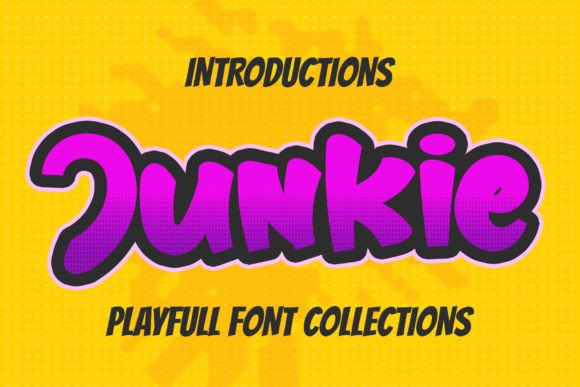
Junkie is more than just a font—it’s a character-driven design that captures the essence of playful creativity. Its irregular shapes, subtle flourishes, and slightly uneven lines give it a handcrafted feel that feels both authentic and intentional. Unlike many rigid typefaces, Junkie embraces imperfection, which makes it particularly appealing for artists, illustrators, and designers who want to convey a sense of spontaneity in their work.
The font’s versatility lies in its ability to adapt to different contexts while maintaining a cohesive visual identity. It works well in both digital and print formats, and its distinct style ensures that it doesn’t get lost in busy compositions. This makes it a valuable addition to any designer’s toolkit, especially when the goal is to create something eye-catching and memorable.
Key Characteristics and Practical Value
Junkie features a wide range of glyphs, including uppercase and lowercase letters, numerals, and punctuation, which allows for flexible use across various design elements. Its custom-designed characters are optimized for readability at larger sizes, ensuring that the font remains legible even when used as a headline or title.
One of the most notable strengths of Junkie is its ability to convey emotion through typography. The font’s irregularities and soft curves evoke a sense of warmth and approachability, making it particularly effective for branding that targets a younger or more casual audience. For instance, it could be used in a children's book, a boutique logo, or a promotional poster for an art event.
In terms of usability, Junkie is easy to integrate into most design software, including Adobe Creative Suite, Figma, and Canva. Its file format is typically available in standard web-friendly formats like TTF and OTF, ensuring compatibility across platforms. This level of accessibility makes it a practical choice for both professional designers and hobbyists alike.
Real-World Applications and Performance
When used in real-world scenarios, Junkie performs consistently well in contexts where a distinctive visual identity is needed. For example, in packaging design, the font can add a layer of uniqueness that sets a product apart from competitors. Its playful nature also makes it suitable for marketing campaigns targeting creative industries or lifestyle brands.
However, it’s important to note that Junkie may not be the best choice for all types of projects. In more formal or corporate settings, its informal characteristics could be seen as unprofessional. Designers should consider the tone and audience of their work before deciding to use this font. That said, when used appropriately, Junkie can add a refreshing contrast to more traditional typefaces.
Another consideration is the font’s performance at smaller sizes. While it remains readable at larger scales, it may lose some of its charm when used in body text. This means it’s best suited for headings, logos, and other prominent design elements rather than long paragraphs of text.
Who Benefits Most From Junkie?
Junkie appeals to a broad range of creatives, particularly those working in fields that value individuality and expression. Freelancers, small business owners, and independent artists often find that using a unique font like Junkie helps them stand out in a crowded market. It’s also a great option for educators and content creators looking to add visual interest to presentations, lesson plans, or social media posts.
Entrepreneurs launching new brands may find Junkie useful for creating a memorable logo or brand identity. Its distinct style can help establish a strong visual presence, especially for businesses in the arts, fashion, or lifestyle sectors. Additionally, marketers and advertisers can leverage Junkie to craft attention-grabbing headlines that resonate with their target audience.
For hobbyists and DIY enthusiasts, Junkie offers a fun and accessible way to enhance personal projects. Whether it’s a handmade greeting card, a custom t-shirt design, or a scrapbook layout, the font adds a personal touch that reflects the creator’s style and personality.
Considerations and Recommendations
Before incorporating Junkie into a project, it’s advisable to test it in different contexts to ensure it aligns with the overall design aesthetic. Experimenting with size, color, and spacing can help maximize its impact while maintaining readability. Designers should also consider pairing it with complementary fonts to balance its playful nature with more structured elements.
While Junkie is a powerful tool for creative expression, it’s essential to use it thoughtfully. Overuse or improper application can dilute its effectiveness. Instead, focus on using it strategically to highlight key messages or add visual interest where it matters most.
Ultimately, Junkie is a font that rewards thoughtful usage. Its charm and character make it a valuable asset for anyone looking to inject personality into their work. By understanding its strengths and limitations, designers can harness its potential to create compelling and visually engaging designs.
Whether you’re a seasoned professional or a passionate hobbyist, Junkie offers a fresh and dynamic approach to typography. With its blend of playfulness and functionality, it’s a font that can truly bring creative ideas to life.